Start with the food and wet residue, even if a vinegar trap is already full. Remove spoiled produce, rinse empty beverage containers, and clean the trash bin beneath its liner. A trap catches adult flies; it cannot remove the material supporting the next batch. If the flies look fuzzy or gather around houseplant soil, identify them before treating the kitchen.
In this answer
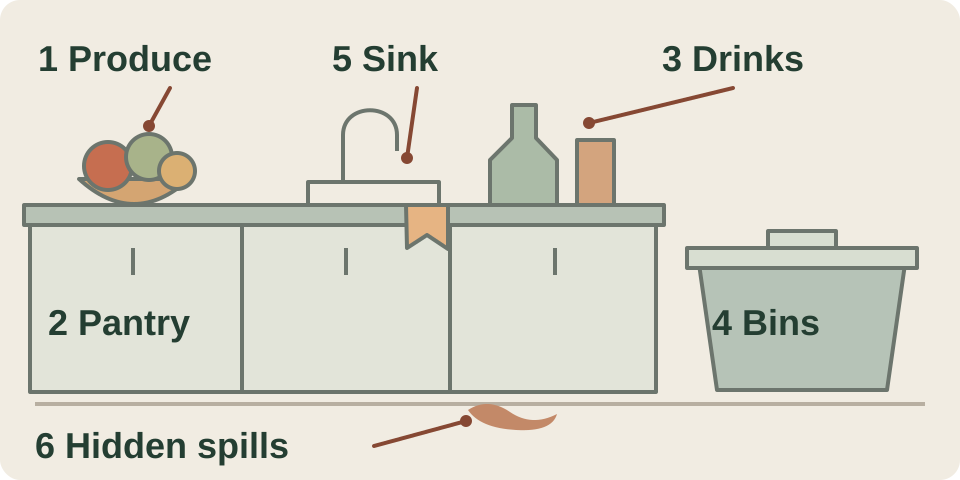
Enlarge diagram
Swipe across to see the rest of the diagram.
Check the fly before choosing the fix
Look at a resting fly with your phone’s zoom or a magnifier, then check where you keep finding it. Location is a clue, not proof: fruit flies can breed in drains too. This guide covers the small vinegar flies common in kitchens, not orchard fruit-fly control.
Scroll across to read every column.
| Likely fly | What to look for | Where to start |
|---|---|---|
| Fruit fly | Compact tan to brown body, often red eyes; some have dark eyes. About 1/8 inch long. | Fermenting produce, beverage residue, trash or other wet food waste. |
| Drain fly (moth fly) | Fuzzy body and broad, hairy wings held like a small roof. Looks like a tiny moth. | Slime inside drains or other persistently wet organic buildup. |
| Fungus gnat | Slender, dark, long-legged fly with long antennae; often moves around pots. | Damp potting mix. Let the surface dry between waterings as the plant tolerates, without wilting it. |
Search beyond the fruit bowl
Gather a trash bag, flashlight, dish soap, a cloth and a small cleaning brush. Empty produce bags and baskets onto a clear surface so you can inspect every piece and the container underneath. You’re looking for damp, fermenting material: a mostly clean kitchen can still have one forgotten source.
Work through the six locations in the diagram. Check every item in a suspect bag or bin instead of removing only the one with flies on it.
Test a suspect drain before treating it
A fly sitting on the faucet does not establish that the drain is the source. After clearing food and waste, tape a clear food-storage bag over the drain opening overnight when the sink will not be used. Check for flies inside the bag in the morning, then remove it. Flies trapped beneath the sealed cover point to that opening; an empty bag is not conclusive.
If the test points to a drain, remove the organic film from accessible drain surfaces with a suitable brush. Clean a removable strainer separately. At a garbage disposal, follow that model’s cleaning directions; don’t reach into the grinding chamber.
For fuzzy moth flies, scrubbing away the slime is the important step. Minnesota Extension specifically says hot or boiling water, bleach and chemical drain cleaners are ineffective for this control. Don’t substitute a pour-down treatment for removing the buildup. Recurring flies plus leaking plumbing need the leak investigated.
Use a trap to catch the adults left behind
- Pour a small amount of apple cider vinegar into a jar. Roll paper into a funnel with a small open tip and set it in the jar, keeping the tip above the liquid. Secure the paper around the rim so flies enter through the funnel.
- Place the jar near the area where you saw fruit flies, on a stable surface away from children and pets. A commercial fruit-fly trap is another option; follow its placement and disposal directions.
- Check the trap each day while keeping food and waste covered. Keep it in the same place so you can compare new catches, rather than counting the growing total as new activity.
Judge progress by new activity
Expect improvement after the sources are removed, not an instantly fly-free room. Colorado State Extension notes that existing adults may remain for a week or more. Keep susceptible fruit covered or refrigerated during the cleanup period.
For a simple check, look at the same counter, sink and waste area each day and note whether new flies are becoming less frequent. The useful result is a sustained drop in sightings and new trap catches, with no fresh cluster around food or waste.
- No trap catches, but flies remain: revisit the identification table. A vinegar trap is not a reliable test for every small fly.
- Fewer flies, then a rebound: inspect newly brought-in produce, waste containers and the hidden places on the checklist again. Finding one source does not rule out another.
- Flies concentrated at a pot: switch to the fungus-gnat route. Yellow sticky cards can help detect adults, but watering and soil conditions still need attention.
- Steady activity despite a thorough cleanup, or an uncertain identification: take a close photo or retain a specimen for your county Extension office or a pest professional. Mention where the flies appear and which source checks you completed.
- A hump-backed fly that runs rapidly across surfaces: it may be a phorid fly. Persistent activity around a leak, under-floor dampness or sewage calls for source investigation by the property manager, plumber or pest professional.
Keep the next source from sitting unnoticed
Put produce where you can inspect it before adding another bag. Keep food scraps covered, remove garbage regularly, and correct leaks that leave damp areas. If a recurring problem needs pest control, ask the operator to identify and correct the source before applying pesticides. EPA recommends targeted treatment and following the product label; routine room spraying is not a replacement for source removal.
Make the back of the pantry easier to inspect.
Keep pantry food visibleSources
- University of Kentucky Entomology — Fruit Flies (ENTFACT-621) ↗
Kitchen breeding locations, source removal and the overnight drain bag test.
- University of Kentucky Entomology — Small Flies (ENTFACT-657) ↗
Identification differences, dark-eyed fruit flies and phorid-fly behavior.
- Colorado State University Extension — Flies in the Home ↗
Sanitation, beverage and bin residue, paper-funnel traps, and the possibility of adults persisting for a week or more after cleanup.
- University of Minnesota Extension — Flies ↗
Moth-fly appearance, drain-film removal, ineffective pour-down treatments and possible plumbing-related breeding sites.
- University of Minnesota Extension — Managing insects on indoor plants ↗
Fungus-gnat association with damp soil, allowing surface drying without wilting, and sticky cards as detection aids.
- US EPA — Do’s and Don’ts of Pest Control ↗
Covered waste, moisture prevention, source correction by pest-control providers, and label-based targeted pesticide use.